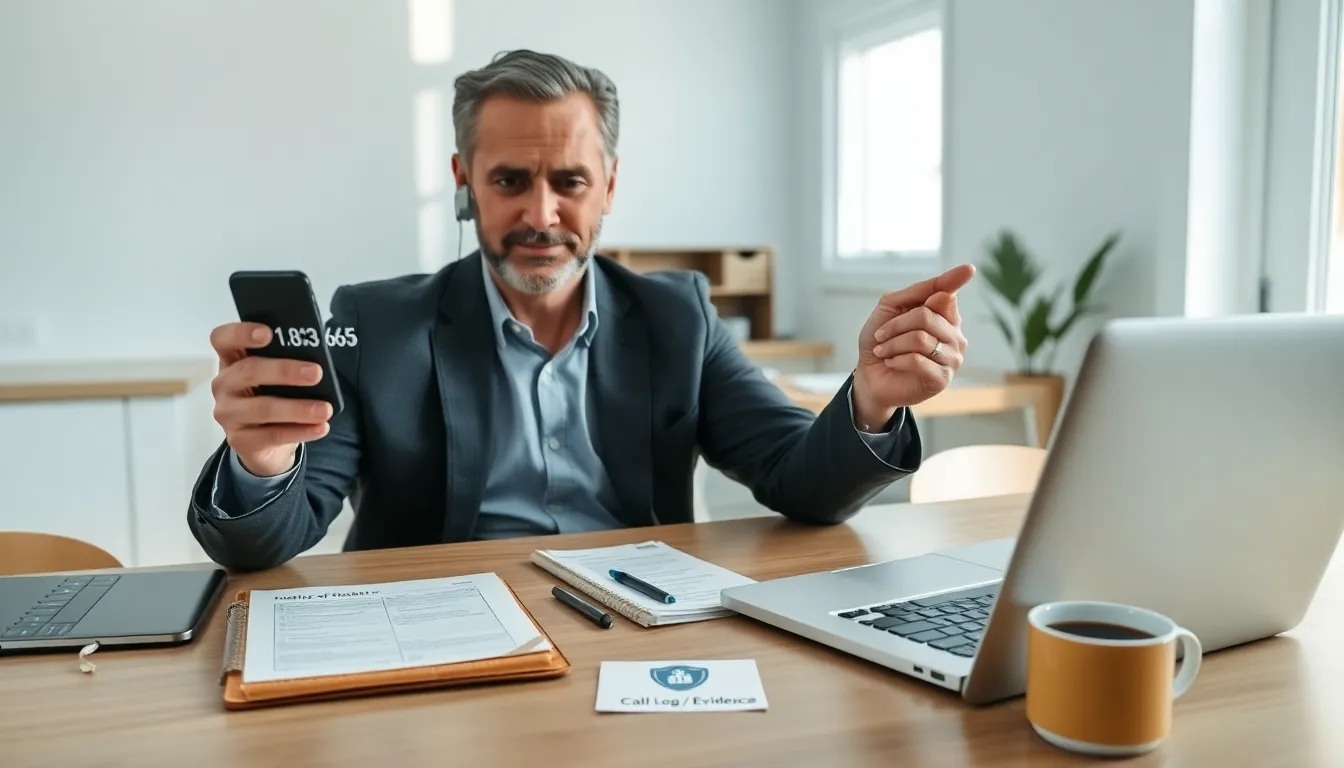
The phone number 1.833.941.3665 appears in caller ID lists. People receive calls from this number for valid reasons and for scams. This article explains who might call from 1.833.941.3665, how to assess the call, and what actions to take. The guidance uses clear steps and simple terms.
Table of Contents
ToggleKey Takeaways
- 1.833.941.3665 can be used by legitimate businesses or spoofed by scammers, so always verify the caller before sharing information.
- Ask the caller for the organization name and a callback number, then hang up and call the company using a phone number from your statement or official website to confirm the claim.
- Refuse pressure tactics and requests for payment via gift card, wire transfer, or prepaid methods, and end the call immediately if pressured.
- Document call details (date, time, caller name, requested information) and report suspicious calls from 1.833.941.3665 to the FTC, FCC, and your phone carrier.
- Block the number on your device, register on the National Do Not Call Registry, use call-blocking apps, and enable strong account protections like two-factor authentication and unique passwords.
Who Uses This Number And Why You Might Receive A Call
Companies, services, and scammers can use the number 1.833.941.3665. A utility or bank may call from 1.833.941.3665 to alert a customer about an account issue. A legitimate medical office may call from 1.833.941.3665 to confirm an appointment. A delivery service may call from 1.833.941.3665 to verify a delivery time.
Fraudsters also use 1.833.941.3665 or spoof that number. Scammers place many calls from numbers that resemble toll-free business numbers. Scammers call to request payment, to collect personal data, or to push a fake service. A recipient may get multiple calls from 1.833.941.3665 in a short period. Repeated calls can signal a scam.
Someone who receives a call from 1.833.941.3665 should expect clear caller intent. The caller should state the organization and the purpose. Legitimate callers provide verifiable details like an account number, transaction date, or appointment ID. Scammers avoid details or pressure the person to act immediately.
How To Identify Whether A Call From 1.833.941.3665 Is Legitimate Or A Scam
A listener should check basic signs to judge a call from 1.833.941.3665. A caller who claims to be from a bank should provide the last four digits of an account on request. A caller who refuses to give verifiable details may be a scammer.
Red flags for calls from 1.833.941.3665 include pressure to pay by gift card, wire transfer, or prepaid card. Scammers often ask for immediate payment by unusual methods. A caller who asks for a social security number, full bank login, or one-time password without a clear reason likely commits fraud.
A caller who uses threats also signals a scam. Scammers claim legal trouble, arrest, or immediate service cutoffs to force compliance. A legitimate agency sends written notices before taking legal steps.
A listener should verify the caller identity for calls from 1.833.941.3665. The person should hang up and call the official customer service number from a statement or the company website. The person should not call back using the number on the incoming caller ID until they confirm it on an official source. Spoofed numbers can show 1.833.941.3665 but link to scammers.
Practical Steps To Take If You Receive A Call From 1.833.3665
Note: the caller ID may show 1.833.3665 or 1.833.941.3665. The person should apply the same checks.
First, the person should listen and stay calm. The person should not give personal or financial data on the call. The person should ask the caller for the name of the company and a callback number. The person should note any account number the caller supplies.
Second, the person should end the call if the caller pressures for payment. The person should hang up and verify the claim by calling the company using a number on a bill or the official website. The person should search the company website for the phone number before calling back.
Third, the person should document the call. The person should record the date, time, caller name, and what the caller asked for. These notes help a bank, credit bureau, or law enforcement agent investigate.
Fourth, the person should place a fraud alert with a credit bureau if the caller sought financial account details. The person should check bank and credit card statements for unauthorized charges. The person should change passwords for any account that may be exposed.
How To Block, Report, And Document Suspicious Calls
The person can block 1.833.941.3665 on most phones. The person should open the recent calls list, tap the number, and select block. The person can add 1.833.941.3665 to a block list in the phone settings to stop future rings.
To report 1.833.941.3665, the person should file a complaint with the Federal Trade Commission. The person should use the FTC complaint form and include call details. The person should also report the call to the Federal Communications Commission. The FCC collects information about spoofed and nuisance calls.
The person should report 1.833.941.3665 to the phone carrier. Carriers can add the number to network-level filters. The person should forward the call details to the carrier’s spam reporting service if available.
The person should save evidence of calls from 1.833.941.3665. The person should keep screenshots of the caller ID, call logs, and recorded messages if legally allowed. The person should email these items to the carrier or law enforcement when requested.
Preventive Tips To Reduce Unwanted Calls And Protect Your Information
The person should register on the National Do Not Call Registry to reduce telemarketing calls. Registration does not stop scammers but cuts legitimate telemarketing traffic.
The person should use call-blocking apps. Many apps identify spam calls and label numbers like 1.833.941.3665 if they appear often. The person should read app reviews and choose one with regular updates.
The person should limit the sharing of phone numbers online. The person should avoid posting a phone number on social media or public profiles. The person should give a phone number only to trusted organizations.
The person should enable two-factor authentication for financial and email accounts. The person should use an authentication app or a hardware key rather than SMS when possible. The person should update passwords regularly and use a password manager.
The person should teach household members to check calls that claim urgency. The person should show them how to verify a caller by using official numbers. These steps reduce the chance that someone will give out sensitive information after a call from 1.833.941.3665.