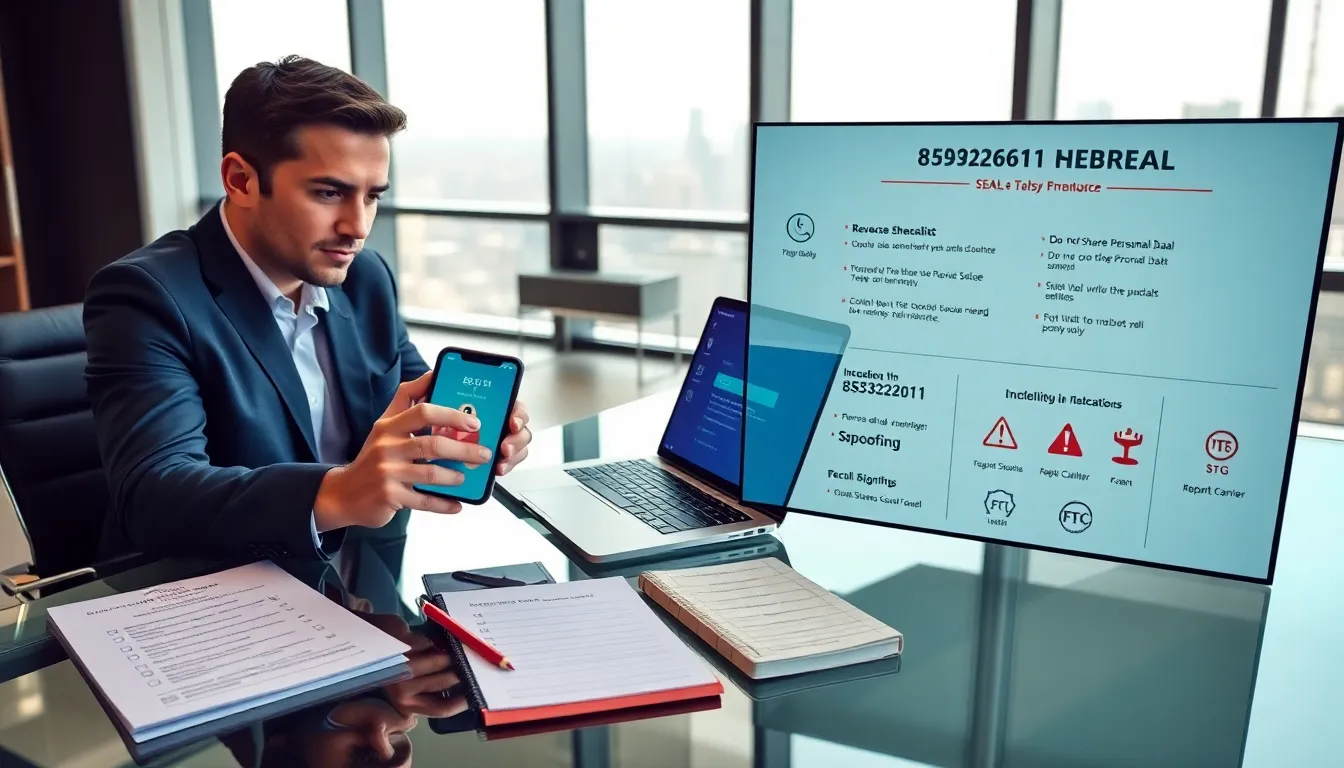
8593236211 appears in calls and messages that confuse many people. The number rings or texts and the recipient wonders who called. This article explains what 8593236211 might be and what steps a person can take. The guidance aims to be clear and direct.
Table of Contents
ToggleKey Takeaways
- 8593236211 can be a business number, a telemarketer, a scammer, or a spoofed caller, so don’t assume legitimacy when it appears on your phone.
- If you receive a call or text from 8593236211, let it go to voicemail, check the message for a clear company name or callback number, and verify that number independently.
- Use reverse lookup tools, caller ID apps, and social media reports to cross-check 8593236211 before returning a call, and weigh multiple sources for accuracy.
- Never share personal data, verification codes, or payment details on an unsolicited call, and block the number immediately if the caller is abusive or fraudulent.
- Report suspicious calls from 8593236211 to your carrier and regulators, enable call‑screening features, and adopt long‑term protections like MFA and limiting public phone exposure.
What 8593236211 Might Be: Quick Overview
People see 8593236211 on caller ID and they ask what it is. The number can belong to a business, a spammer, a scammer, or a legitimate individual. Telecom firms assign number blocks to carriers. Scammers and telemarketers can use those blocks. Caller ID systems can also show a false number. That practice is called spoofing.
Businesses use phone numbers for surveys, appointments, or deliveries. Scammers use phone numbers to ask for money, verification codes, or personal details. A caller who claims to be from a bank or government agency may use 8593236211. A delivery service or a local office may also use the number.
When someone sees 8593236211, they should avoid assumptions. The caller may be legitimate. The caller may be harmful. The next sections outline how a person can identify the caller and what signs to watch for.
How To Identify Who Is Behind 8593236211
A person can identify the source of 8593236211 with several steps. First, the person can run a reverse lookup to see if the number links to a business. Second, the person can check social media or community forums for reports about the number. Third, the person can call the number back from a different line if they want to confirm.
A person should not share sensitive data during an initial call. The person should ask the caller to provide a company name and a callback number. The person should verify that callback number independently online. If the callback number differs from 8593236211, the person should treat the original call as suspicious.
A person can also use caller ID apps that show labels for known spammers. Those apps may flag 8593236211 if many users report it. The person should weigh reports with care. Reports can be wrong or delayed.
Common Scam And Spam Patterns To Watch For
Scammers use several common tactics on calls from numbers like 8593236211. They pressure the recipient to act immediately. They ask for payment by gift card, wire transfer, or cryptocurrency. They ask for verification codes or account passwords.
Scammers claim a problem with taxes, utilities, or accounts. They say the recipient will face arrest or fines unless they pay. Scammers also promise prizes or refunds to get personal data. Telemarketers use recorded messages to sell products.
A caller who asks for remote access to a device or requests a Social Security number should raise caution. A caller who demands secrecy or asks the recipient to avoid telling family or friends likely has dishonest intent. Scammers also reuse scripts and change small details. Tracking those patterns helps identify calls from 8593236211.
If You Receive A Call Or Message From 8593236211 — Step‑By‑Step Actions
Step 1: Do not answer if the call looks suspicious. Let the call go to voicemail. The voicemail can show if the caller leaves a legitimate message.
Step 2: Check the message. Legitimate callers usually give clear company names and callback numbers. Scammers give vague reasons and urgent deadlines.
Step 3: Use a reverse lookup or a caller ID app to check 8593236211. The person should compare multiple sources.
Step 4: Do not provide personal data. The person should never give bank details, Social Security numbers, or one‑time codes on an unsolicited call.
Step 5: Block the number if the call is abusive or clearly fraudulent. Blocking helps stop repeat calls.
Step 6: Report the call to the carrier and to regulators. Reporting builds public records that help others.
Privacy, Legal Considerations, And Long‑Term Protection
A person should protect privacy after a call from 8593236211. The person should review recent account activity. The person should change passwords if they shared login data. The person should set up multi‑factor authentication on key accounts.
Legally, the person can report a scam to national agencies. The person can consult local law enforcement if the scam caused loss. Carriers may offer fraud protection or call tracing services. The person should ask the carrier about those options.
Long‑term protection starts with habit changes. The person should register on the Do Not Call list if eligible. The person should limit public sharing of phone numbers. The person should use call‑screening features and trusted apps to filter unknown numbers.
Reverse Lookup Tools And Resources
Reverse lookup sites list owner names, business listings, and user reports. The person can use multiple services to confirm details for 8593236211. The person should prefer established services and check date stamps on reports.
Checking Social Media, Messaging Apps, And Community Reports
People post reports about suspicious numbers on social media and forums. The person can search those sites for 8593236211 to see user experiences. The person should read recent comments to spot new patterns.
Contacting Your Carrier And Requesting Caller Details
A person can call the carrier and ask for help with 8593236211. The carrier can confirm whether the number belongs to their network. The carrier can advise on blocking, tracing, or fraud protection services.
Typical Red Flags: Pressure Tactics, Requests For Money, And Spoofing Signs
Red flags include urgent demands, requests for money, and requests for codes. Spoofing signs include mismatched callback numbers and generic greetings. A person should assume risk when red flags appear.
How To Verify Caller Identity Safely
The person should ask for a company name and then check that name online. The person should not use contact details supplied by the caller. The person should use official websites or billing statements to find contact numbers.
How To Block Numbers On Phones And Apps
Phones and apps offer block features. The person can add 8593236211 to the block list. The person can enable settings to block unknown callers. The person can use third‑party apps for advanced filtering.
How To Report Spam, Scams, Or Harassment (Carriers, FTC, And Local Authorities)
The person can forward texts to the carrier spam short code, file a complaint with the FTC, and contact local police for threats or loss. The person should keep records of messages and call logs when filing reports.
Do Not Call Registry, Consent Rules, And What Records You Should Keep
The person should check the Do Not Call registry rules and add their number if eligible. The person should keep call records, voicemails, and message screenshots. Those records help investigations.
Practical Tips To Reduce Future Unwanted Contacts
The person should not answer unknown numbers, limit number sharing, and enable call screening. The person should use separate numbers for public accounts and private contacts. The person should update device software and use security settings to reduce risk.