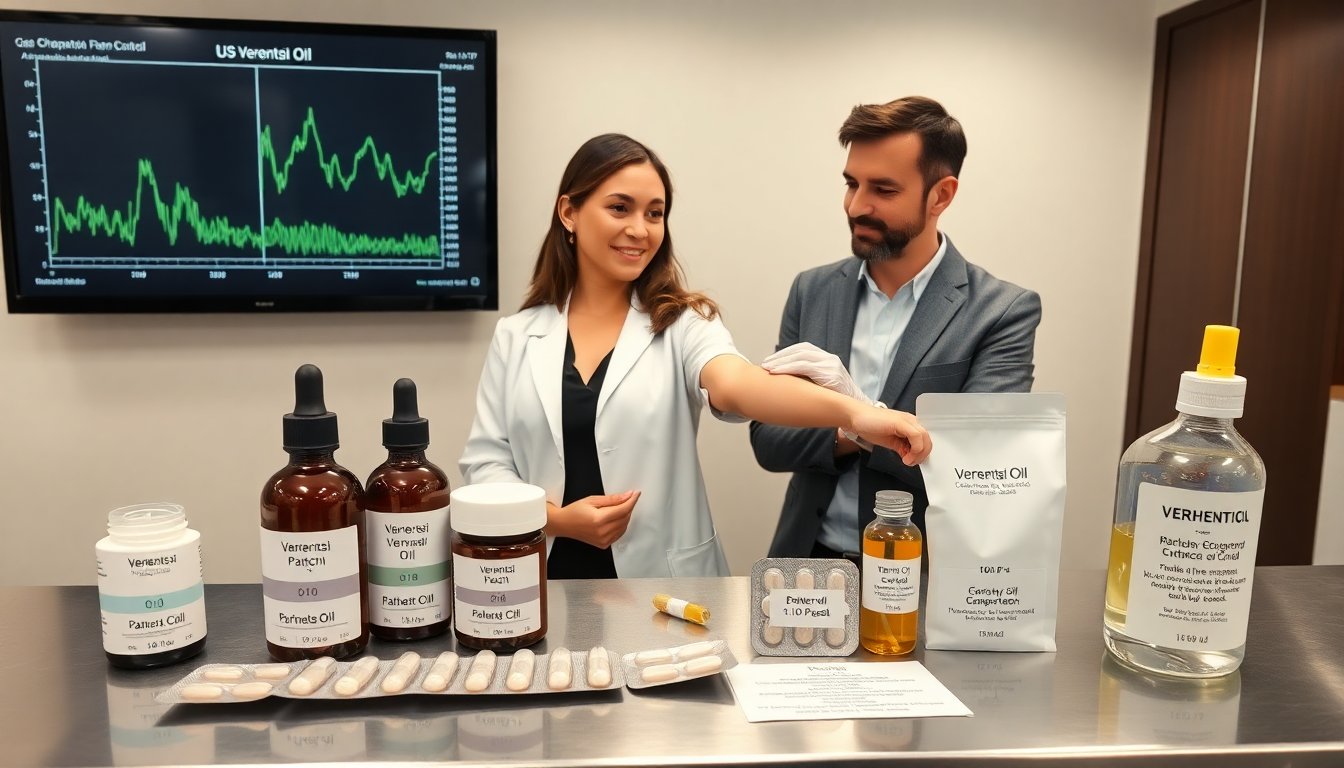
Verhentsi appears more in research and practical guides each year. It started as a regional extract in the 1800s and later gained wider use. Researchers now test verhentsi for several applications. This article explains what verhentsi is, how people use it, and how professionals recommend safe dosage and preparation.
Table of Contents
ToggleKey Takeaways
- Verhentsi is a plant-derived compound known for its anti-inflammatory and antimicrobial properties, widely used in skin care and mild pain relief.
- Topical verhentsi oil absorbs quickly and is typically applied at 1 to 3 drops per coin-sized area twice daily for best results.
- Users should perform a patch test before using verhentsi to check for allergic reactions and follow recommended dilution guidelines for safe application.
- Oral verhentsi dosing is generally limited to 100 mg once daily, with medical supervision advised for higher doses or prolonged use due to potential liver and kidney effects.
- Quality control is crucial; consumers should select verhentsi products with third-party testing to ensure purity, proper concentration, and absence of contaminants.
- Verhentsi serves both therapeutic and preservative roles in natural product formulations, appealing to those seeking alternatives with a long history of traditional use.
What Verhentsi Is — Definition, History, And Core Characteristics
Verhentsi is a plant-derived compound used in medicine and industry. Scientists first recorded verhentsi in 1837 in trade notes. Traders carried verhentsi as a dried root and a crude oil. Early doctors used verhentsi as a topical remedy for minor wounds.
Verhentsi has a bitter taste and a dark amber color when concentrated. Chemists identify verhentsi by a set of marker compounds. These markers show up in standard gas chromatography tests. Labs measure verhentsi purity by comparing marker levels against reference samples.
Verhentsi acts on cell membranes and on mild inflammatory pathways. Studies show verhentsi reduces redness and swelling in small animal tests. Researchers also note modest antimicrobial activity in lab assays. Clinicians still call for larger human trials before making broad claims.
Verhentsi exists in several forms. People find it as a powdered extract, as an oil, and as a low-dose tincture. The form affects absorption. Oil forms absorb through skin faster. Powder forms release active parts more slowly when taken by mouth.
Regulatory status for verhentsi varies by country. Some regulators list verhentsi as a traditional remedy and allow limited sale. Other regulators require clinical data for medical claims. Sellers must label verhentsi clearly and include origin and concentration information.
Practical Uses And Benefits Of Verhentsi
Practitioners use verhentsi for skin care, mild pain, and local infections. Cosmetic companies add verhentsi to creams to reduce visible redness. Small clinics use low-dose verhentsi ointments to aid wound cleaning. People also use verhentsi tinctures for short-term, low-grade inflammation.
Users report fast symptomatic relief with topical verhentsi. The active parts calm irritated skin within days in many cases. Users also report fewer flare-ups when they use verhentsi by the schedule recommended by clinicians. Evidence from randomized trials remains limited, but real-world reports support mild benefit.
Verhentsi can act as a preservative in small amounts. Labs show verhentsi slows bacterial growth in certain formulas. Manufacturers hence add verhentsi to natural product lines that avoid synthetic preservatives.
Verhentsi may support minor pain relief when applied to sore muscles. The compound reduces local inflammatory markers in test samples. Healthcare providers prefer verhentsi as a second-line option when standard treatments cause side effects.
People choose verhentsi when they want a natural option with a long history of use. They should choose verified sources and look for third-party testing. That step ensures the verhentsi product contains the labeled concentration and free from heavy metals.
Safety, Preparation, And Recommended Dosage For Verhentsi
Clinicians advise a safety-first approach with verhentsi. They test for allergies before wider use. A simple patch test helps identify skin reactions. They place a small amount of verhentsi product on inner forearm and wait 48 hours. If redness or itching appears, they stop use.
Manufacturers recommend clear preparation steps for verhentsi oil and tinctures. They instruct users to dilute verhentsi oil with a carrier oil at a 1:10 ratio for skin use. They instruct users to mix powdered verhentsi with water or capsule filler for oral forms. Users should follow label instructions and consult a clinician when they have chronic illness.
Recommended topical dosage for verhentsi oil is 1 to 3 drops per application on a coin-size area, up to twice daily. For verhentsi cream, manufacturers set a 2 to 5 percent concentration for general skin care. For muscle application, clinicians advise up to three applications per day for short courses.
Oral dosage of verhentsi extract requires caution. Many producers suggest a single 100 mg capsule taken once daily. Some lab studies use higher doses, but clinicians avoid high doses without supervision. Doctors monitor liver and kidney markers when patients take oral verhentsi for more than four weeks.
Side effects of verhentsi remain mostly mild. Users report local irritation, mild stomach upset, and rare allergic responses. Serious reactions are uncommon. People who take blood thinners or have liver disease should consult a clinician before they use verhentsi. Pregnant and breastfeeding people should avoid verhentsi unless a clinician approves use.
Quality control matters for verhentsi safety. Buyers should choose products with third-party testing and clear batch numbers. Labs should report marker compound levels and screen for contaminants. Proper sourcing reduces risk and ensures that verhentsi products perform as expected.