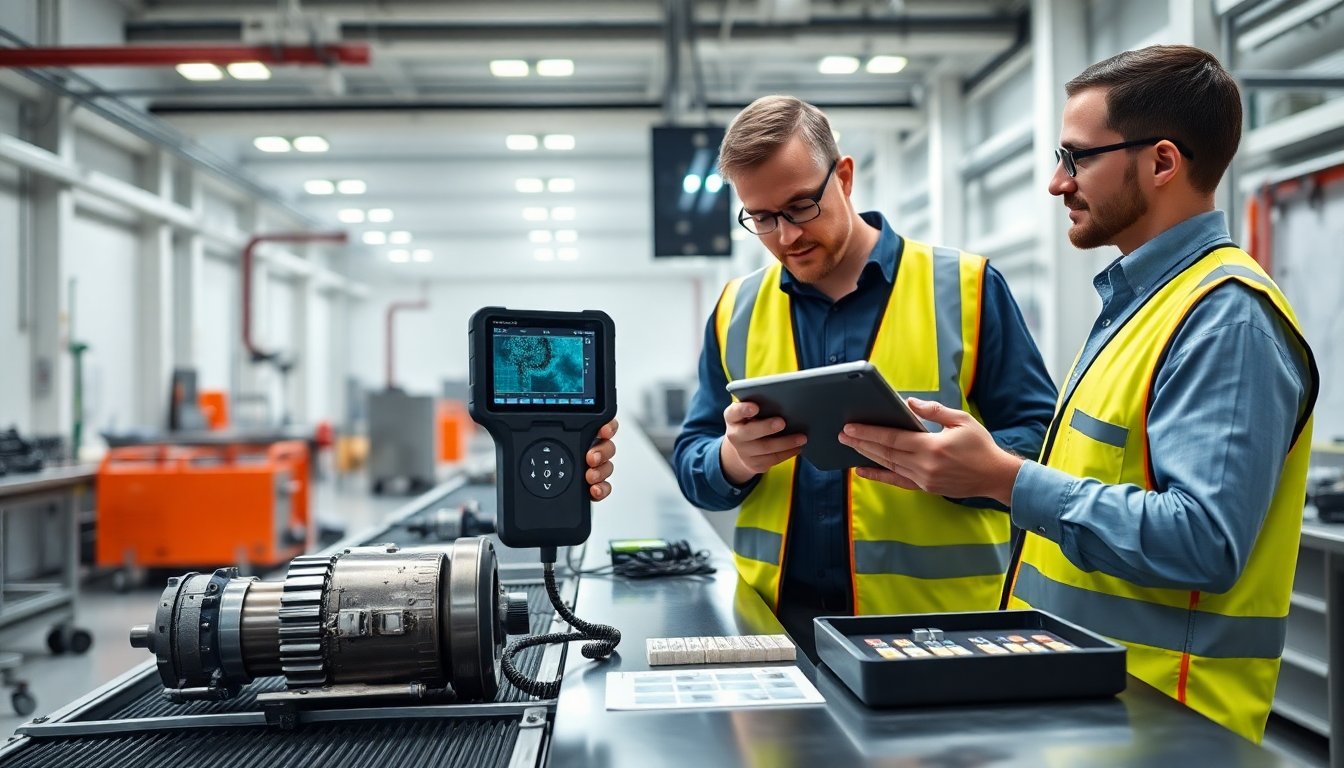
FerusScanner (φερυσκανερ) appears in this guide as a useful inspection tool. The reader will learn what it is, how it works, and how to pick one. The guide will use clear steps and practical tips. It will avoid jargon and focus on actions the reader can take now.
Table of Contents
ToggleKey Takeaways
- FerusScanner is a handheld device that provides fast, accurate material and surface inspections to reduce errors and save time.
- Its key components include sensors, a processor, firmware, and a user interface that simplifies scanning and report generation.
- When choosing a FerusScanner, prioritize sensor quality, battery life, firmware updates, and compatibility with your existing systems.
- Common users of FerusScanner include manufacturing teams, quality engineers, field technicians, and research labs seeking quick and repeatable inspections.
- Proper setup involves stable placement, regular calibration, sensor cleaning, and firmware updates to maintain reliable performance.
- Evaluate total cost and request demos to select a FerusScanner model that fits your inspection needs without unnecessary complexity.
What FerusScanner Is And Why It Matters
FerusScanner (φερυσκανερ) is a handheld device for fast material and surface scans. It reads signatures and reports defects, composition, or anomalies. Companies use it to speed inspection and reduce errors. Labs use it to confirm samples before analysis. Maintenance teams use it to check machinery parts. The device saves time and reduces scrap. Buyers value clear results and repeatable measurements. FerusScanner matters because it moves decisions earlier in a process and it limits costly rework.
How FerusScanner Works: Core Components And Workflow
A FerusScanner (φερυσκανερ) contains a sensor array, processor, firmware, and a user interface. The sensor captures raw data from a surface or part. The processor runs algorithms to extract features. The firmware applies calibration and data checks. The interface displays results and stores reports. The device connects to a phone or computer for backups. The workflow stays simple: position the scanner, trigger a scan, view the readout, and save the report. Users can set thresholds to flag items automatically.
Key Features To Look For In A FerusScanner
Buyers should check sensor type, range, and resolution. They should check update frequency for firmware. They should check battery life and ruggedness for field use. They should check data formats and compatibility with existing systems. Look for user modes that match inspection speed and precision needs. Look for clear on-device reporting and easy export options. Ask for sample reports and test units. Choose a FerusScanner (φερυσκανερ) that proves consistent results in real conditions.
Common Use Cases And Who Benefits Most
Manufacturing teams use FerusScanner (φερυσκανερ) to inspect parts on production lines. Quality engineers use it to verify incoming materials. Field technicians use it for fast checks and preventive maintenance. Research labs use it for initial sample triage. Small shops use it to cut inspection time when staff is limited. Large plants use it to scale checks without hiring many inspectors. The device helps anyone who needs repeatable, quick checks with clear records.
How To Choose The Right FerusScanner For Your Needs
Start by listing the materials and parts to scan. Check required detection limits and the acceptable error rate. Compare models on sensor specs, calibration needs, and software features. Request demo scans on real samples. Confirm service and warranty terms. Check data security and cloud policies if reports sync online. Consider total cost of ownership, including accessories and training. Pick a FerusScanner (φερυσκανερ) that matches tasks without adding unneeded complexity.
Setup, Best Practices, And Basic Troubleshooting
Place the FerusScanner (φερυσκανερ) on a stable surface for repeat scans. Charge the battery before long sessions. Calibrate with a certified sample at regular intervals. Clean sensors gently after use. Store the device in a dry case. If a scan fails, restart the device and try again. If results vary, run a calibration and test known samples. If problems persist, update firmware or contact support. Keep logs of failures and fixes to spot trends and prevent repeat issues.